
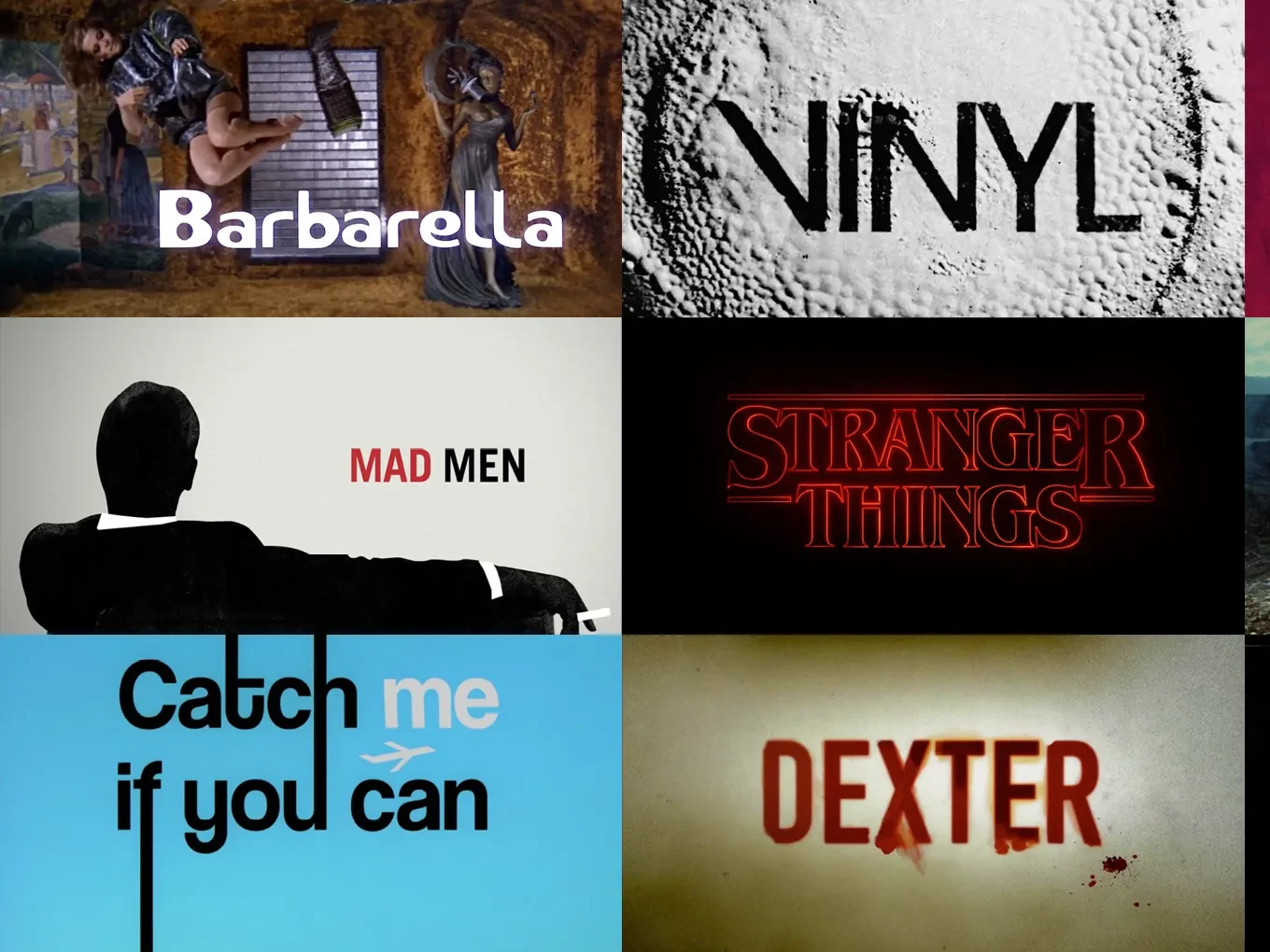


Typography in film isn’t just about picking fonts—it’s about building emotion before a single actor appears on screen. The right typeface can whisper suspense, shout adventure, or hum nostalgia. It’s that quiet layer of design that makes you feel something without you even realizing why.
Why Typography Is the Unsung Hero of Film Design
When you see the bold, geometric letters of Blade Runner 2049 or the playful script in The Grand Budapest Hotel, you instantly get a sense of the movie’s personality. That’s typography doing storytelling.
For motion designers and animators, type becomes a living thing. It stretches, fades, and slides in sync with music or dialogue. It doesn’t just sit there—it moves with intention.
Think of typography as an actor that doesn’t speak but still has presence. Every curve, angle, and weight tells the viewer where the story is headed.
From Static to Motion
Designing type for the big screen is a whole different game than laying out a poster. You’re designing for time.
Motion affects readability, and timing affects meaning. If a word fades in too slowly, the emotion dies. If it flies in too fast, the tone breaks. The best designers know how to pace type like a director paces a scene.
Quick tip: watch classic title sequences—Saul Bass, for example. His titles for North by Northwest and Psycho still feel modern because every letter movement has rhythm and intent.
Building a Cinematic Typographic Identity
Typography is part of a film’s DNA.
Studios like A24 and Pixar have mastered the art of consistent typographic branding. A24’s clean serif fonts evoke indie sophistication. Pixar’s bold, friendly typefaces promise warmth and imagination. Each studio has a “type voice” as distinct as their stories.
If you’re a designer in this space, think of how your typography behaves across mediums—trailers, posters, social snippets, even end credits. Does it move the same way? Does it still sound like the same voice?
The Tech That’s Changing the Game
Today, variable fonts and motion tools like After Effects or Cavalry make type more fluid than ever. Designers can stretch and morph fonts in real time, sync them to beats, or create subtle kinetic effects that feel hand-crafted.
AI tools can now suggest motion behaviors or generate mood-based font pairings, but the magic still lies in human sensitivity. The software can automate, but it can’t feel the pacing of a scene. That’s your job.
How to Think Like a Film Typographer
If you want to get serious about type in motion, here’s a mindset shift:
Stop thinking of fonts as decoration. Start thinking of them as characters.
- What’s their motivation?
- How do they move through a scene?
- What emotion are they adding—or taking away?
Design your type like you’d direct a performance.
Inspiration to Keep Your Eye On
- “Catch Me If You Can” (2002): playful typography that dances to jazz rhythms.
- “Se7en” (1995): chaotic, scratched letters that embody madness.
- “Stranger Things” (2016): retro serif type that screams ‘80s nostalgia.
- “Spider-Man: Into the Spider-Verse” (2018): comic-book type integrated into the animation itself.
These are perfect examples of typography that doesn’t just decorate—it defines.
Final Thoughts
Typography in film and animation is storytelling through shape, rhythm, and timing. It’s the design equivalent of a soundtrack—felt before it’s understood.
Related post: Potency improvement supplements: options, comparisons, and how to choose wisely
If you’re a designer aiming to break into the world of motion graphics or film branding, study type the way directors study light. When typography becomes part of the narrative, it stops being text and starts becoming cinema.